Inquire about hotel amenities—understanding guest needs is crucial for a positive experience. Whether you’re a budget-conscious solo traveler or a luxury-seeking family, knowing what amenities are available and how to ask about them can make all the difference. This guide explores the various reasons guests inquire, the types of amenities available, and the best ways to handle inquiries effectively, from pre-booking to post-stay.
From understanding different traveler types and their preferences to exploring the nuances of various hotel amenities, this comprehensive guide will help you navigate the world of hotel inquiries with confidence. We’ll delve into the different channels for communication, providing the ideal response time and communication style for various situations, along with practical strategies for handling complex inquiries and ensuring a positive guest experience.
Plus, we’ll look ahead to future trends in hotel amenities and how technology is transforming the way guests interact with hotels.
Understanding User Needs: Inquire About Hotel Amenities
Hotels are more than just a place to sleep; they’re experiences. Understanding the diverse needs and motivations behind guests’ inquiries about amenities is crucial for providing exceptional service and ultimately driving bookings. This analysis dives deep into the different types of travelers, their expectations, and how their inquiries evolve throughout the booking process.
Typical Traveler Profiles
Understanding the demographics, travel styles, and budget of potential guests is essential for tailoring amenities descriptions. A broad spectrum of travelers exists, from budget-conscious backpackers to luxury-seeking families. Each group prioritizes different aspects of a hotel, and these priorities directly impact their amenity inquiries.
Reasons for Inquiry
Guests inquire about amenities for a variety of reasons, often intertwined with their individual needs and concerns. These range from practical necessities like accessibility features to experiential preferences like proximity to attractions. A guest might need a crib for a child, a quiet room away from the main area, or a fitness center for maintaining their routine. The desire for specific amenities is directly tied to the guest’s travel plan and the overall experience they seek.
Inquiry Process Across Booking Stages
The booking stage significantly impacts the type of amenity inquiry. Pre-booking inquiries often focus on core features, allowing guests to assess the hotel’s suitability. During the booking process, inquiries become more specific, seeking confirmation of amenities’ quality and location. Post-booking inquiries, while less common, might involve clarifications or requests for assistance.
Common Phrases and Questions
Guests use a variety of phrases and questions when inquiring about hotel amenities. These can range from direct requests like “Do you have a pool?” to more nuanced questions about the hotel’s facilities. “Is the breakfast buffet included?” or “Are there any accessible rooms?” are examples of frequently asked questions. Guests also frequently inquire about parking, Wi-Fi speed, and gym equipment.
While you’re figuring out your hotel stay, don’t forget to inquire about amenities like high-speed Wi-Fi or a pool. Knowing if your hotel offers a connection to local experiences like Catalan food markets and culinary workshops, like the ones offered by Catalan food markets and culinary workshops , can make a big difference in your trip planning. This helps you optimize your hotel choice to maximize your overall experience.
Consider these details when you inquire.
Traveler Type Analysis
| Traveler Type | Travel Style | Budget | Typical Amenities Inquiry |
|---|---|---|---|
| Family with young children | Relaxing, family-friendly | Mid-range | “Are there cribs available? Is there a kids’ club? What are the dining options for young children?” |
| Business Traveler | Fast-paced, efficient | Mid-range to high | “What are the meeting room options? Is there a business center? What is the Wi-Fi speed and reliability?” |
| Luxury Traveler | Relaxing, indulgent | High | “What are the spa amenities? Are there private balconies or terraces? What are the fine dining options?” |
| Backpacker | Budget-conscious, independent | Low | “Is there a common area for socializing? What are the transportation options to nearby attractions?” |
Types of Hotel Amenities
Hotels are more than just a place to sleep; they’re experiences. Understanding the diverse array of amenities offered is crucial for travelers seeking the perfect match between their needs and the hotel experience. The variety of amenities reflects the target market and the overall positioning of the hotel. From luxurious spa treatments to family-friendly play areas, amenities cater to a broad spectrum of traveler preferences.
Categorization of Hotel Amenities
Amenities can be broadly categorized based on their purpose and function. These categories encompass essential services, recreational activities, and specialized features, each serving distinct needs. A well-rounded understanding of these categories helps travelers to identify the amenities that are most important to them.
- Essential Amenities: These are fundamental to a comfortable stay, encompassing basic necessities like clean rooms, comfortable beds, and functioning bathrooms. Essential amenities ensure a basic level of comfort and safety for all guests.
- Comfort Amenities: These amenities enhance the overall guest experience, including features like room service, in-room coffee and tea facilities, and comfortable seating areas. These extras contribute to a more pleasant and enjoyable stay, exceeding the basic needs.
- Recreational Amenities: These amenities cater to leisure and relaxation, encompassing features like swimming pools, gyms, spas, and business centers. These offerings cater to the different preferences and activities that guests may be seeking.
- Family-Friendly Amenities: Designed specifically to accommodate families, these amenities include kids’ clubs, play areas, cribs, and high chairs. These amenities cater to the specific needs of families, ensuring a comfortable and enjoyable stay for all members.
- Accessibility Amenities: Designed for guests with disabilities, these amenities include features like ramps, accessible bathrooms, and assistive devices. These amenities promote inclusivity and ensure that guests with disabilities have equal access to the hotel facilities.
Importance of Amenities Across Market Segments
The importance of different amenities varies significantly depending on the target market. Luxury hotels prioritize high-end amenities, while budget hotels focus on essential services, balancing cost and value. Family-friendly hotels emphasize amenities that cater to children and families.
- Luxury Hotels: Luxury hotels prioritize amenities that enhance the overall experience, such as gourmet restaurants, upscale spas, and concierge services. These amenities cater to the discerning traveler seeking premium experiences.
- Budget Hotels: Budget hotels focus on essential amenities like clean rooms, comfortable beds, and convenient locations. They prioritize value over extravagance, providing a comfortable stay at a lower cost.
- Family-Friendly Hotels: Family-friendly hotels emphasize amenities designed for families, such as kids’ clubs, play areas, and family rooms. These amenities cater to the specific needs of families, ensuring a memorable experience for all members.
Common Amenities Across Regions
Certain amenities are commonly found in hotels across different regions. These amenities often reflect the local culture and customs, or cater to common traveler needs.
- Wi-Fi Access: This is a standard amenity in most hotels globally, reflecting the increasing reliance on internet connectivity for travelers.
- Breakfast Options: A continental breakfast or buffet is often included in hotel stays across many regions, catering to the diverse needs of guests.
- Parking: Depending on the location, parking amenities might be included, especially in urban areas where street parking is limited.
Comparison of Amenities in Different Star-Rated Hotels
The table below highlights the difference in amenities based on star rating, demonstrating how amenities increase in quality and variety as the star rating goes up.
| Star Rating | Amenities Category | Amenities Example | Description |
|---|---|---|---|
| 1-Star | Essential | Clean room, basic bathroom | Basic necessities for a comfortable stay. |
| 3-Star | Comfort | In-room coffee, room service | Enhancing the guest experience with additional comforts. |
| 4-Star | Recreational | Swimming pool, gym, spa | Offering leisure and relaxation options. |
| 5-Star | Luxury | Gourmet restaurant, concierge service | Providing high-end experiences for discerning travelers. |
Inquiry Channels and Communication
Understanding how potential guests interact with your hotel regarding amenities is crucial for optimizing the guest experience and boosting bookings. A streamlined inquiry process, coupled with timely and accurate responses, can significantly impact customer satisfaction and loyalty. Efficient communication channels and clear responses are essential for managing expectations and building trust.
Common Inquiry Channels
Different channels cater to various preferences and needs. Guests may use a range of communication methods to seek information about hotel amenities. Direct interaction often leads to quicker resolutions and personalized assistance.
- Website Inquiry Forms: These forms offer a convenient way for guests to submit questions about specific amenities, room types, or other details. They are typically easy to use and can be accessed 24/7.
- Phone Calls: Direct phone calls allow for immediate clarification and a more personal touch. This method provides an excellent opportunity to address complex queries.
- Email: Email remains a popular choice, particularly for detailed inquiries or those needing a written record of the conversation. This is useful for detailed questions requiring time to formulate an appropriate response.
- Live Chat: Live chat features on hotel websites provide immediate assistance and often offer real-time solutions. This can significantly reduce response times for simple questions.
Ideal Response Time
Prompt responses to guest inquiries are vital. Guests expect quick and efficient service. A response time that aligns with industry standards and guest expectations demonstrates a commitment to service excellence. Consider establishing clear response time targets for each communication channel. For example, a 24-hour response time for email inquiries might be standard, while live chat requires an immediate or near-immediate response.
Communication Style
The tone and style of communication should be professional and courteous. Maintain a consistent brand voice across all channels. Using clear, concise language and avoiding jargon is important. Be attentive to the guest’s needs and address their concerns promptly and efficiently.
Communication Formats
Different formats suit different types of inquiries. Adapting the communication method to the complexity and nature of the query is important. Emails should include all necessary details, while phone calls can provide immediate clarification and resolution. Live chat offers interactive assistance.
- Email: Emails should contain complete and accurate information about the requested amenities. Use clear subject lines to allow guests to easily identify the inquiry.
- Phone Calls: Maintain a polite and helpful tone when answering phone inquiries. Provide detailed information, offering multiple options if needed.
- Live Chat: Use live chat to provide instant responses and solutions. Maintain a friendly, helpful demeanor to ensure a positive interaction.
Importance of Accurate Information
Providing accurate and complete information is crucial for customer satisfaction. Inaccurate or incomplete responses can lead to dissatisfaction and potentially negative reviews. Ensure all information is double-checked and verified before sending a response.
Inquiry Channel Analysis
Understanding the advantages and disadvantages of each channel can help optimize the inquiry process. Consider the pros, cons, and ideal use cases of different methods.
| Inquiry Channel | Pros | Cons | Ideal Use Case |
|---|---|---|---|
| Website Inquiry Form | 24/7 accessibility, detailed information possible, easy for guests to submit. | May not offer immediate assistance, potential for missed inquiries if not monitored frequently. | Gathering preliminary information, submitting detailed requests, simple questions. |
| Phone Calls | Immediate assistance, personalized interactions, clarification of complex issues. | Staff availability constraints, potential for long wait times, requires dedicated personnel. | Complex inquiries, urgent issues, clarifying critical information. |
| Detailed responses, written record, convenient for guests, asynchronous communication. | Slower response time compared to live chat or phone calls, potential for misinterpretation of tone. | Submitting detailed questions, seeking specific information, less time-sensitive requests. | |
| Live Chat | Instantaneous support, interactive assistance, real-time problem-solving. | Requires trained personnel, technical issues can disrupt service, may not be suitable for complex inquiries. | Simple inquiries, immediate solutions, quick clarifications. |
Handling Complex Inquiries
Unforeseen situations and nuanced guest requests are inevitable in the hospitality industry. A proactive approach to complex inquiries about hotel amenities is crucial for maintaining guest satisfaction and building a positive reputation. Effective handling involves understanding the underlying needs, providing tailored solutions, and consistently demonstrating empathy.
Common Complex Inquiries
Understanding the types of complex inquiries helps anticipate and address potential issues efficiently. These range from specific requests about accessibility features to concerns about promised amenities not being available. Guests might inquire about alternative arrangements if a preferred amenity is unavailable, request information about hidden fees related to specific amenities, or express dissatisfaction with the quality of a particular amenity.
For example, a guest might ask about the availability of specific types of pillows, or require details about room service hours during a specific event. Another guest might express concern over a faulty fitness center machine.
Procedure for Handling Complex Inquiries
A structured procedure for handling complex inquiries ensures a consistent and professional approach. First, actively listen to the guest’s concerns without interruption. Take detailed notes, clarifying any ambiguities or inconsistencies in the request. Then, investigate the root cause of the issue and explore potential solutions. This could involve checking availability, consulting with colleagues, or exploring alternative options.
Emphasize empathy and assure the guest of your commitment to finding a satisfactory resolution. Crucially, document the entire interaction for future reference and to track the resolution process.
Before you book that Catalan getaway, inquire about hotel amenities – especially if you’re planning to explore experiences like experiencing Catalan wines in local vineyards. Knowing about the facilities will help you decide if the hotel fits your needs. This will help you plan your trip to the fullest.
Addressing Guest Concerns
Addressing guest concerns requires a delicate balance of empathy and efficiency. Acknowledge the guest’s feelings, validate their perspective, and avoid dismissing their concerns. Clearly communicate the available options and any limitations. If a solution isn’t immediately apparent, assure the guest you’ll follow up and keep them informed of the progress. Be prepared to escalate the issue to a supervisor if necessary, while maintaining transparency and providing updates.
For instance, if a guest is unhappy with the cleanliness of the pool area, address their concerns by apologizing, acknowledging the issue, and committing to rectifying the situation immediately.
Providing Solutions and Resolving Issues
Effective problem-solving requires creativity and resourcefulness. If a guest requests a specific amenity not typically offered, explore alternative solutions. This could involve offering a similar amenity or providing a partial compensation. If there’s an issue with a particular amenity, such as a broken piece of equipment, offer alternative facilities or expedited repairs. For example, if a guest requests a crib for their child, but the hotel doesn’t have one, offer a nearby rental service or suggest the guest bring their own.
Table of Complex Inquiries and Solutions
| Inquiry Type | Potential Problem | Solution | Follow-up Steps |
|---|---|---|---|
| Specific Amenity Request | Amenity unavailable or not accessible | Offer a comparable alternative or explore options with nearby establishments | Confirm the alternative with the guest and provide updates on the availability of the amenity. |
| Hidden Fee Inquiry | Guest unaware of additional charges | Provide clear and concise information about fees associated with amenities | Follow up with a confirmation email detailing all fees and any applicable discounts. |
| Amenity Quality Concern | Guest dissatisfaction with cleanliness or functionality | Acknowledge the issue, apologize, and commit to rectifying the problem | Investigate the concern, take corrective action, and notify the guest of the resolution. |
| Accessibility Issue | Inability to access specific amenities due to a disability | Provide detailed information about accessible amenities and services, or arrange alternative access | Ensure accessibility details are clearly communicated and confirm the guest’s satisfaction with the arrangements. |
Presenting Information Effectively
Delivering clear and concise information about hotel amenities is crucial for a positive guest experience. Guests need to quickly and easily understand what the hotel offers, and a well-structured presentation streamlines the process. A clear presentation also builds trust and confidence in the hotel’s offerings, which ultimately impacts booking decisions.Effective communication goes beyond simply listing amenities; it’s about showcasing their value and relevance to the guest.
This involves understanding the guest’s needs and tailoring the presentation to match those needs. This proactive approach not only informs but also anticipates potential concerns, enhancing the overall guest experience.
Organizing Information About Hotel Amenities
A well-organized presentation of hotel amenities is key to a positive guest experience. Grouping similar amenities and using clear categories helps guests easily find the information they need. For instance, grouping “fitness center amenities” with “spa services” improves the clarity and flow of the information. Consistent formatting and language throughout the presentation reinforce professionalism and enhance comprehension.
Consider using s related to each category to improve search engine optimization ().
Creating a Visually Appealing Presentation
A visually appealing presentation can significantly enhance the guest experience. Employing high-quality images or videos of amenities can bring them to life for the guest, creating a more immersive experience. Employing color schemes and fonts that complement the hotel’s brand identity can strengthen brand recognition and create a cohesive presentation. Using whitespace effectively allows the information to breathe, preventing an overwhelming visual effect.
Prioritizing Information Based on Guest Needs and Inquiries
Prioritizing information based on guest needs and inquiries is paramount for a positive experience. Anticipate common questions and address them directly in the presentation. For instance, if “parking” is a frequently asked question, prominently display information regarding parking options, availability, and fees. This approach not only addresses guest concerns but also saves them time and effort. Moreover, a well-structured presentation ensures the information presented aligns with guest expectations and needs.
Presenting Amenity Information Effectively
The presentation of hotel amenities can significantly impact guest satisfaction and booking decisions. Different methods for presenting information cater to diverse audiences and preferences.
| Presentation Method | Example | Target Audience | Visual Appeal |
|---|---|---|---|
| Detailed Descriptions | A detailed description of the hotel’s spa facilities, including treatment options, hours, and prices. | Guests interested in in-depth information about specific amenities. | High-quality images of spa facilities, therapists, and treatment rooms. |
| Bullet Points/Lists | A concise list of included breakfast items, with accompanying images of each item. | Guests seeking quick overviews of amenities. | Visually appealing icons or thumbnails for each item. |
| Interactive Maps | An interactive map of the hotel highlighting the location of the pool, fitness center, and other amenities. | Guests interested in navigating the hotel facilities. | Clear and intuitive map design with labeled amenities. |
| Videos | A short video showcasing the hotel’s fitness center and its equipment. | Guests who prefer visual demonstrations of amenities. | High-quality video showcasing the facilities and equipment. |
Future Trends in Amenities
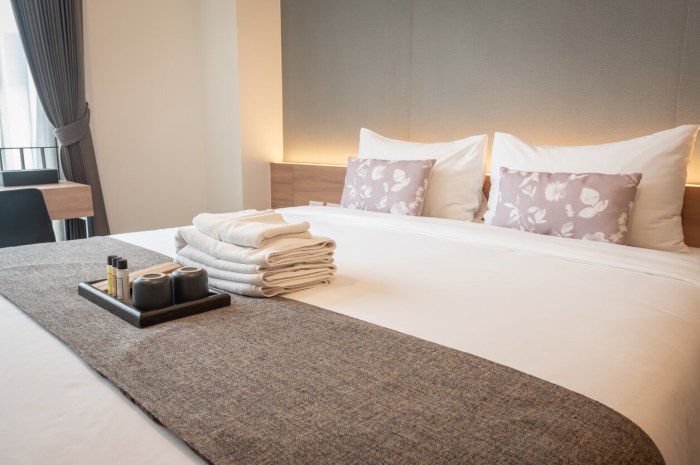
Hotels are constantly evolving to meet the demands of modern travelers. This evolution extends beyond just the physical space; it’s about creating experiences that cater to a wider range of needs and preferences. Guests today are seeking more than just a place to sleep; they’re looking for immersive, personalized interactions and amenities that reflect a unique understanding of their travel styles.
This requires hotels to anticipate and adapt to emerging trends in technology and guest expectations.
Emerging Trends in Hotel Amenities, Inquire about hotel amenities
The hospitality industry is embracing technology and personalization to redefine the guest experience. Smart technology is becoming integrated into rooms and public spaces, allowing for personalized control over lighting, temperature, and entertainment. Sustainable practices are also gaining prominence, with hotels incorporating eco-friendly amenities and showcasing their commitment to environmental responsibility. A growing demand for wellness experiences is driving the inclusion of fitness centers, spa treatments, and mindfulness programs.
Innovative Approaches to Enhance Guest Experience
Hotels are experimenting with experiential amenities to create lasting impressions. Interactive art installations, themed dining experiences, and curated local tours are examples of how hotels are moving beyond the traditional approach to hospitality. Personalized service, delivered through AI-powered chatbots or concierge services, is enhancing the guest journey. This personalization can range from anticipating guest preferences for room amenities to tailoring the guest’s entire stay.
Technology’s Impact on Guest Inquiries and Experiences
Technology is reshaping the way guests inquire about and experience hotel amenities. Mobile apps allow guests to access real-time information on amenities, make reservations, and control room settings remotely. Smart room technology provides guests with seamless access to information and control over their environment. Interactive kiosks and virtual tours enable guests to explore the hotel and its amenities before arrival, reducing uncertainties and improving pre-stay experiences.
Potential Future Hotel Amenities
The future of hotel amenities is likely to be influenced by several factors, including technological advancements, sustainability concerns, and changing guest preferences. A growing number of hotels are offering virtual reality experiences, such as interactive tours of the city or immersive experiences related to the local culture. Subscription-based amenities, such as access to premium Wi-Fi or exclusive concierge services, are gaining traction.
Personalized experiences, curated through AI-powered systems, could lead to bespoke amenity packages that meet individual guest needs.
- Personalized Wellness Programs: Hotels could offer bespoke wellness programs tailored to individual guest needs and preferences. This could involve personalized fitness routines, yoga sessions, or meditation programs.
- AI-Powered Concierge Services: Advanced AI systems could provide highly personalized concierge services, anticipating guest needs and preferences to enhance the entire guest journey.
- Sustainable and Eco-Friendly Amenities: Hotels are increasingly emphasizing sustainable practices, incorporating eco-friendly amenities and demonstrating a commitment to environmental responsibility. This includes using locally sourced products, implementing energy-efficient technologies, and promoting eco-friendly transportation options.
Image Description of a Hotel with Innovative and Modern Amenities
Imagine a sleek, modern hotel with floor-to-ceiling windows offering panoramic city views. The lobby features a vibrant, interactive art installation that responds to guest movements and displays local art. Smart lighting systems adjust automatically to the time of day and guest preferences. Each room features a state-of-the-art, voice-activated system for controlling lighting, temperature, and entertainment. A dedicated sustainability station in each room highlights eco-friendly products and initiatives.
The hotel’s rooftop features a rooftop garden with herb and vegetable plots. This modern and technologically advanced hotel seamlessly integrates sustainability and personalization, creating a memorable guest experience.
Last Recap
In conclusion, effectively handling inquiries about hotel amenities is paramount to providing a positive and memorable experience for guests. By understanding diverse traveler needs, the wide range of amenities, and the best communication channels, you can ensure a seamless and satisfying process. This guide offers a structured approach to answering guest questions and addressing concerns, from simple inquiries to complex situations, while emphasizing clear, concise communication and a visually appealing presentation of amenity information.
Ultimately, this process helps hotels enhance guest satisfaction and foster loyalty through exceptional service.