Hotels near tourist attractions are the key to a seamless and stress-free trip. From finding the perfect hotel to comparing prices and amenities, this guide breaks down the essential factors to consider when choosing accommodation near iconic landmarks. Understanding the different search intents, hotel features, and attraction-specific needs will equip you with the knowledge to book the ideal stay.
Whether you’re looking for a budget-friendly option or a luxurious experience, this guide is your comprehensive resource.
This guide dives into the specifics of selecting hotels near tourist destinations. We’ll explore the various search intents users have when looking for accommodations, examining how these intents impact the kind of information they seek. We’ll analyze crucial hotel features, such as proximity to attractions and transportation options, to help you make informed decisions. Beyond general hotel features, we’ll also discuss attraction-specific considerations, highlighting how the choice of hotel can enhance your experience at a particular landmark.
Finally, we’ll cover essential aspects of pricing, booking, and user reviews, helping you navigate the complexities of finding the right hotel at the right price.
Defining the Search Intent
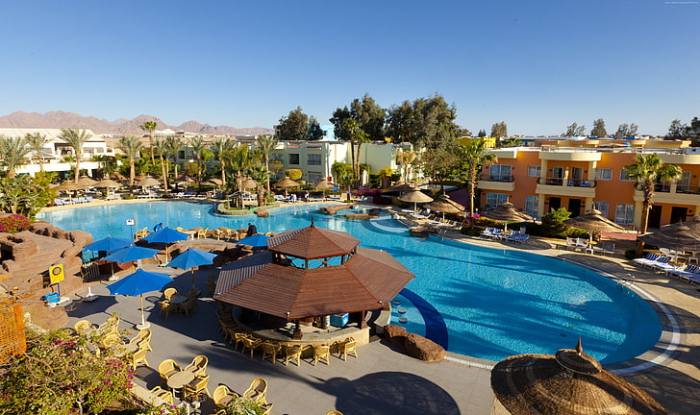
Understanding the specific needs behind user searches for “hotels near tourist attractions” is crucial for optimizing your hotel’s visibility and attracting the right audience. This involves recognizing the different motivations and goals driving these searches. Users aren’t simply looking for any hotel; they’re looking for a hotel that meets a particular purpose.The phrase “hotels near tourist attractions” encompasses a range of search intents, each requiring a different approach to satisfy the user’s need.
Knowing these intents allows you to tailor your content and marketing efforts to align with those specific needs, ultimately improving conversions.
Different Search Intents
Different search intents are driven by various user motivations, from simply browsing to making a firm booking. Understanding these intentions will help to create content that better meets user needs.
- Finding a Hotel: Users in this intent stage are exploring options. They want basic information about available hotels, their location, and general amenities. Examples include searches like “hotels near Eiffel Tower” or “hotel near Statue of Liberty.” These searches indicate a preliminary stage of the booking process.
- Comparing Hotels: This intent signifies a more engaged user who is actively evaluating multiple options. They need detailed information to compare different hotels based on price, amenities, reviews, and other factors. Users might search for “best hotels near Colosseum” or “hotels near Golden Gate Bridge comparison,” indicating a desire to compare different options.
- Booking a Hotel: This intent reflects the user’s readiness to make a reservation. They are actively seeking to book a hotel. Examples include “book hotel near Times Square” or “reserve hotel near Great Wall of China.” These searches show the user is prepared to proceed with the booking process.
Characteristics of Searches
Users searching for “hotels near tourist attractions” often have common characteristics. These characteristics can help predict user behavior and refine your content strategy. Their primary concern is location and proximity to the tourist site. They’re often looking for accommodations that are conveniently situated.
- Location-centric: Proximity to the tourist attraction is paramount. Users are very specific about the desired location and are typically looking for a hotel that is close to the attraction itself.
- Information-seeking: Users often require details about hotels, including pricing, amenities, and reviews. This need for information is crucial in guiding their decision-making process.
- Variety in needs: The intent can range from a quick search for a hotel to a detailed comparison of multiple options before making a reservation.
Impact on User Needs
The specific search intent dictates the type of information users need. For example, a user searching for “hotels near Eiffel Tower” simply wants to find hotels in the vicinity. A user searching for “best hotels near Colosseum” requires detailed comparisons. Understanding these varying needs allows you to create content that addresses those specific needs effectively.
Table of Search Intents
| Search Intent | Example Phrases | User Need |
|---|---|---|
| Finding a Hotel | “hotels near Eiffel Tower”, “hotel near Statue of Liberty”, “accommodations near Louvre Museum” | Basic location and hotel details, including address and contact information. |
| Comparing Hotels | “best hotels near Colosseum”, “hotels near Golden Gate Bridge comparison”, “compare hotels near Times Square” | Detailed comparisons of multiple hotels based on price, ratings, amenities, and reviews. |
| Booking a Hotel | “book hotel near Times Square”, “reserve hotel near Great Wall of China”, “hotel reservation near Sagrada Familia” | Booking options, confirmation details, payment methods, and cancellation policies. |
Hotel Features and Amenities
Hotels near tourist attractions need to offer more than just a bed. They must cater to the needs of travelers seeking convenient access to experiences, providing a seamless blend of comfort and accessibility. A crucial aspect of attracting and retaining customers is the availability of essential amenities and features that enhance their overall experience. These features directly impact guest satisfaction and ultimately, the success of the hotel.Hotels need to understand the specific needs of tourists visiting attractions.
This includes factors such as proximity to the attraction, transportation options, and dining choices. The experience of visiting a tourist destination should not be hampered by logistical issues. Offering convenient amenities ensures tourists can fully immerse themselves in the experience, rather than being burdened by practical concerns. This understanding leads to higher guest satisfaction and repeat business.
Finding the perfect hotel near iconic sights is key for maximizing your trip. But what if you want to explore the local culture beyond the tourist traps? Consider budget-friendly Catalan food and wine tasting trips – these offer unique experiences while staying within a budget. These intimate tours, coupled with the right hotel near attractions, will elevate your travel experience and create lasting memories.
Proximity to Attractions
Proximity to the attraction is a paramount factor. Hotels situated near major tourist destinations offer convenient access, minimizing travel time and maximizing the time spent exploring. Tourists prioritize ease of access to attractions, and hotels that are conveniently located are more likely to attract and retain guests. This minimizes the stress of navigating public transportation or relying on ride-sharing services, allowing travelers to focus on their enjoyment of the destination.
Transportation Options
Offering convenient transportation options is essential. Hotels near tourist attractions should provide details on nearby public transport, taxis, and ride-sharing services. This ensures guests can easily navigate the city and reach other destinations, even those outside the immediate vicinity of the attraction. Clear information on transportation options is vital, enabling travelers to plan their itineraries effectively. The accessibility of various transportation options directly influences a guest’s experience and overall satisfaction.
Restaurant Options
Nearby restaurants and dining options are vital for the comfort and convenience of guests. Hotels near tourist attractions should provide details on restaurants within walking distance or a short travel distance. A variety of options catering to different tastes and budgets ensures that guests can find suitable dining experiences without undue effort. The availability of convenient and varied dining options is a critical component of a positive travel experience, influencing guest satisfaction and overall perception of the hotel.
Table of Amenities and Importance
| Amenity | Description | Importance to Tourists |
|---|---|---|
| Proximity to Attractions | How close the hotel is to the attraction. | Ease of access to attractions, minimizing travel time and maximizing enjoyment. |
| Transportation Options | Availability of public transport, taxis, or ride-sharing services. | Ease of travel around the city, allowing exploration of other destinations. |
| Restaurant Options | Details of nearby restaurants and dining options. | Convenience and variety of dining options, catering to diverse tastes and budgets. |
Attraction-Specific Considerations
Understanding the unique needs of tourists visiting specific attractions is crucial for optimizing hotel choices. This involves tailoring amenities and location to enhance the visitor’s experience. Different attractions demand varying levels of proximity, convenience, and thematic integration. This section delves into the nuances of attraction-specific hotel considerations.
Theme Park Considerations
Theme parks attract families and thrill-seekers, often requiring specific amenities and locations. Hotels near theme park entrances offer convenient access to multiple park areas, minimizing travel time and maximizing park time. Child-friendly amenities like kids’ clubs, pools, and on-site restaurants are important considerations. Proximity to the park’s main attractions, entertainment, and dining options directly impacts the overall experience.
The presence of themed rooms or areas, or packages offering park tickets at a discount, further enhances the appeal of the hotel for this specific clientele.
Historical Site Considerations, Hotels near tourist attractions
Historical sites draw visitors seeking immersive experiences and authentic environments. Hotels located near historical sites can enhance the experience by incorporating historical context into their design and amenities. Accessibility to the site and related historical attractions is paramount. Hotels located in or near historical districts often offer unique design elements, reflecting the site’s architectural style or era.
For example, hotels near historical forts might offer rooms with views of the fort, or themed packages highlighting the fort’s history.
Table of Hotel Features Based on Attraction Type
| Attraction | Hotel Features | Proximity Impact |
|---|---|---|
| Theme Parks | Proximity to park entrances, child-friendly amenities, themed rooms, discounted park tickets | Convenience for visiting multiple park areas, minimizing travel time, maximizing park time, enhancing the overall family experience. |
| Historical Sites | Accessibility, historical context in hotel design, themed rooms, guided tours, historical exhibits | Immersive experience with historical background, easy access to related attractions, enhanced cultural understanding. |
| Beaches | Direct beach access, outdoor amenities, water sports facilities, nearby restaurants, and shops | Direct access to the beach, convenient location for water activities, enhancing the relaxation and leisure experience. |
Pricing and Booking
Finding the perfect hotel near a tourist attraction often boils down to more than just location. Pricing strategies, booking methods, and available deals all play a critical role in the overall experience. Understanding these factors can save you time and money, leading to a more enjoyable trip.Hotel prices near attractions are dynamic, influenced by a complex interplay of factors.
Demand is a major driver; peak seasons, popular events, and holidays see prices surge. Supply and competition also matter. Hotels with unique features, superior amenities, and prime locations command higher rates. Furthermore, local taxes and surcharges can add to the final cost. External factors like currency exchange rates and economic conditions also impact pricing.
Factors Influencing Hotel Prices
Hotel prices are a multifaceted equation, influenced by numerous elements. Demand for rooms during peak tourist seasons, coupled with limited availability, naturally increases prices. Hotels with exceptional amenities, like spas or pools, often command higher rates. Location, proximity to the attraction, and views are also key factors influencing pricing.
Comparing Prices Across Hotels
Comparing prices across various hotels is crucial for finding the best value. Utilize online travel agents (OTAs) like Booking.com, Expedia, or Kayak. These platforms often allow for filtering by price range, amenities, and star rating. Use comparison tools on these platforms, which can automatically aggregate prices from multiple sources.
Different Booking Options and Platforms
Booking options vary widely. Direct booking with the hotel can sometimes offer better deals, but this is not always the case. Online travel agencies (OTAs) like Booking.com and Expedia provide a wide selection of options, allowing for comparisons across numerous hotels. Consider booking directly with the hotel to potentially gain access to exclusive offers or last-minute deals.
Metasearch engines like Kayak can be helpful in comparing prices across various OTAs. Consider using price-tracking tools, which can notify you of price drops on your preferred hotel.
Finding the perfect hotel near a tourist hotspot is key, but consider adding a unique experience like exploring Catalan wines in local vineyards. Experiencing Catalan wines in local vineyards offers a fantastic complement to your sightseeing, and excellent hotels near the vineyards will provide a seamless transition back to your planned activities. This approach elevates your travel experience, making your hotel choice even more strategic.
Tips for Finding Affordable Options
Finding budget-friendly accommodations near attractions is achievable. Look for deals during the off-season, which often see reduced rates. Be flexible with your dates and consider staying outside the city center for potentially lower prices. Check for hotel packages that bundle accommodation with attraction tickets or activities, which can be cost-effective. Utilize hotel loyalty programs for potential discounts or exclusive perks.
Look for hotels offering “early bird” discounts or special offers for groups or families.
Examples of Discounts and Deals for Tourists
Numerous discounts and deals are often available to tourists. Many hotels offer discounts for AAA members or military personnel. Check for group discounts or packages that include attraction tickets. Look for deals on travel sites or through hotel loyalty programs. Often, last-minute deals and flash sales can be found, but be prepared to be flexible with your travel dates.
User Reviews and Ratings
User reviews and ratings are essential for making informed hotel choices. They provide valuable insights into the guest experience, helping potential travelers gauge the quality of a hotel beyond marketing materials. This data transcends superficial descriptions, offering a genuine perspective on the hotel’s strengths and weaknesses.Analyzing user feedback is a crucial step in understanding the guest experience. It allows potential guests to form realistic expectations and make more informed decisions.
This feedback encompasses a wide range of aspects, from the cleanliness of the rooms to the helpfulness of staff. A comprehensive understanding of user reviews empowers travelers to select accommodations that align with their preferences and expectations.
Significance of User Reviews
User reviews significantly influence hotel choices. Positive reviews build trust and credibility, potentially swaying hesitant travelers to book a specific hotel. Conversely, negative reviews can deter potential guests if the issues raised are significant or numerous. The sheer volume of user feedback often provides a comprehensive overview of a hotel’s strengths and weaknesses. Understanding the sentiments expressed in reviews helps travelers make well-informed decisions.
Methods for Gathering and Analyzing User Feedback
Various methods exist for gathering and analyzing user feedback. Online platforms like TripAdvisor, Booking.com, and Google Maps are prominent sources for collecting user reviews. These platforms offer structured feedback forms and a comprehensive archive of past guest experiences. Hotels can also directly solicit feedback through surveys or questionnaires, providing direct insights into guest satisfaction.Analyzing the data involves several key steps.
First, identify common themes or patterns in the reviews. This could include recurring complaints about noise levels or praise for the hotel’s breakfast offerings. Second, quantify the data to determine the overall sentiment towards the hotel. Is the feedback overwhelmingly positive or predominantly negative? Third, correlate review content with specific aspects of the hotel, like location or amenities.
This allows for a more nuanced understanding of the guest experience.
Examples of Review Influence
A hotel with consistently high ratings for cleanliness and location might attract more bookings than one with mixed reviews. Conversely, a hotel with numerous negative reviews about noisy rooms or poor service might face a lower occupancy rate. Review content plays a pivotal role in shaping consumer perception. For example, positive comments on a hotel’s proximity to a famous attraction can incentivize a traveler’s choice.
Review Metrics and Relevance
| Review Metric | Description | Significance |
|---|---|---|
| Cleanliness | Hygiene and maintenance of the hotel rooms and common areas. | A critical factor affecting guest comfort and satisfaction. Cleanliness directly impacts the overall guest experience. |
| Location | Proximity to attractions and amenities. | Influences the ease of access to tourist destinations and local conveniences. |
| Value for Money | Comparison between price and quality of service and amenities. | Crucial in budget-conscious travel, impacting return on investment for guests. |
| Staff Friendliness | Hospitality and helpfulness of hotel staff. | A key aspect in guest satisfaction, particularly during check-in, check-out, and requests. |
| Room Amenities | Features and comfort of the hotel rooms. | Impacts guest satisfaction and comfort, influencing choices related to room types and preferences. |
Final Review: Hotels Near Tourist Attractions
In conclusion, selecting the ideal hotel near tourist attractions requires careful consideration of multiple factors. Understanding user search intents, evaluating hotel amenities, and considering attraction-specific needs are crucial steps in the process. By considering proximity, transportation, and reviews, you can choose a hotel that perfectly aligns with your travel goals and budget. This guide has provided a comprehensive overview, equipping you with the tools to make the most of your travel experience.