Hotels near cultural landmarks offer an unparalleled opportunity to immerse yourself in history and culture. From ancient ruins to modern masterpieces, these properties provide a unique backdrop for exploring the world’s treasures. This guide delves into the crucial elements of selecting the perfect hotel, considering everything from proximity to landmarks to the cultural sensitivity of the experience. Discover how to choose a hotel that perfectly complements your cultural adventure.
This comprehensive exploration covers defining cultural landmarks, analyzing location and proximity, evaluating amenities and services, understanding the historical context, and examining market trends. We’ll also touch on guest experiences, marketing strategies, and crucial ethical and sustainable considerations, all aimed at enhancing your cultural journey. Understanding these factors allows you to make informed decisions when planning your next cultural immersion.
Defining the Scope: Hotels Near Cultural Landmarks
Hotels near cultural landmarks are a lucrative niche, but success hinges on a deep understanding of the target audience and the specific cultural landscape. This involves more than just proximity; it’s about recognizing the unique needs and motivations of travelers seeking immersive cultural experiences. A well-defined scope allows for tailored marketing and service strategies that resonate with guests and drive revenue.Understanding cultural landmarks extends beyond simply identifying famous monuments.
It encompasses the historical context, the cultural significance, and the diverse experiences surrounding those landmarks. This includes understanding the local traditions, customs, and stories woven into the fabric of the place, as well as the accessibility of local transportation and amenities. The scope should consider how various types of hotels cater to the specific needs of tourists, whether budget-conscious backpackers or high-end travelers seeking luxury accommodations.
Cultural Landmarks Defined
Cultural landmarks represent tangible and intangible aspects of a society’s history, beliefs, and artistic expressions. They can include historical sites like ancient ruins, palaces, and cathedrals; museums showcasing art and artifacts; theaters and performance venues; and even public parks and gardens with cultural significance. Examples range from the pyramids of Egypt to the Great Wall of China, from the Taj Mahal to the Eiffel Tower, from the Louvre Museum to the Sistine Chapel.
They represent the rich tapestry of human experience across different cultures and eras. This diversity in historical periods and cultural contexts shapes the needs of the tourists visiting these landmarks.
Types of Hotels and Their Relation to Landmarks
Hotels near cultural landmarks vary significantly in their offerings and target demographics. Budget-friendly hostels offer basic accommodation for budget-conscious travelers interested in exploring the cultural scene. Mid-range hotels cater to a broader range of travelers with varied budgets, while luxury hotels provide premium accommodations and services for discerning tourists seeking a high level of comfort and attention to detail.
Boutique hotels, often located in historic buildings or neighborhoods, offer unique experiences that integrate with the cultural environment. The proximity of a hotel to the landmark often dictates its design, services, and pricing strategy.
Target Audience for Hotels Near Cultural Landmarks
The target audience for hotels near cultural landmarks is diverse and multifaceted. It includes history buffs, art enthusiasts, students on educational tours, families seeking cultural immersion, and leisure travelers seeking unique experiences. Their travel styles and motivations range from budget-conscious backpacking to luxury exploration. This diverse group demands varied accommodation options, from budget-friendly to high-end. Understanding these varied motivations and preferences allows for more effective marketing and customer service strategies.
Proximity and Accessibility Comparison
| Landmark | Hotel Type | Proximity | Accessibility |
|---|---|---|---|
| Colosseum, Rome | Luxury | Walking distance | Excellent public transport |
| Angkor Wat, Cambodia | Boutique | Short drive | Limited public transport, taxis |
| Great Wall of China | Budget | Several hours by bus/train | Varying levels of public transport |
| Louvre Museum, Paris | Mid-range | Walking distance | Excellent public transport |
This table illustrates the varying levels of proximity and accessibility between hotels and cultural landmarks. The distance and ease of travel significantly impact the type of hotel and the expected travel experiences. Consideration of these factors is critical for tailoring the hotel’s offerings and marketing strategy.
Location and Proximity Analysis
Choosing the right location for a hotel near cultural landmarks is critical for success. Proximity impacts everything from guest experience to profitability. Understanding the nuances of this relationship is key to optimizing your hotel’s position within the competitive landscape.
Factors like travel time, pedestrian accessibility, and the overall ambiance of the surrounding area significantly influence guest satisfaction. A well-placed hotel can maximize revenue by leveraging the cultural attractions, while a poorly situated one could struggle to attract tourists.
Methods for Evaluating Proximity, Hotels near cultural landmarks
Precise evaluation of proximity requires a multi-faceted approach. This includes calculating travel times, analyzing pedestrian routes, and understanding the overall environment. Geographic Information Systems (GIS) tools can be instrumental in mapping and measuring these factors, providing quantifiable data for strategic decision-making. Moreover, customer reviews and feedback can offer valuable insights into the perceived proximity of the hotel to the landmarks, helping identify areas for improvement and highlighting any existing challenges.
Factors Influencing Optimal Distance
The ideal distance between a hotel and a landmark isn’t a fixed number. It depends on the specific cultural landmark, the target market, and the amenities offered by the hotel. A landmark with significant pedestrian traffic might be more effective if closer, whereas one requiring extensive travel could benefit from a slightly longer distance, potentially offset by alternative transportation options or other attractions along the route.
Ultimately, the optimal distance balances accessibility with other key considerations, such as noise levels, potential congestion, and overall ambiance. The most important factor is providing a convenient experience without compromising the guest’s enjoyment of the landmark itself.
Challenges and Solutions
Locating hotels near cultural landmarks presents unique challenges. Competition for prime locations is often fierce, and high land costs can make the endeavor expensive. Noise pollution from nearby attractions or events could also be a concern, demanding careful consideration during the site selection process. Addressing these challenges requires thorough market research to identify optimal locations, incorporating noise mitigation strategies, and proactively communicating the benefits of the hotel’s proximity to cultural landmarks to potential guests.
Travel Time and Distance Data
Understanding the actual travel times and distances between the hotel and cultural landmarks is crucial. This data enables a comprehensive assessment of the accessibility of the hotel, allowing for comparison and the selection of the most suitable locations. The table below presents a hypothetical example, showing the travel times and distances between different hotels and landmarks in a specific city.
This data is critical for marketing and demonstrating the convenience of the hotel’s location to potential guests.
| Hotel | Landmark 1 (Travel Time) | Landmark 1 (Distance) | Landmark 2 (Travel Time) | Landmark 2 (Distance) |
|---|---|---|---|---|
| Hotel A | 15 minutes | 2.5 km | 30 minutes | 6 km |
| Hotel B | 25 minutes | 5 km | 10 minutes | 2 km |
| Hotel C | 5 minutes | 1 km | 45 minutes | 9 km |
Amenities and Services
Hotels near cultural landmarks need to go beyond basic amenities to truly capture the traveler’s experience. Attracting tourists requires understanding their needs and exceeding expectations, especially those seeking to immerse themselves in the local culture. The right amenities can enhance their journey, making it memorable and worthwhile. A key component of success is providing a seamless and enriching experience, considering not just the tangible but also the intangible benefits.
Essential Amenities and Services
Hotels near cultural landmarks should prioritize amenities that support exploration and engagement with the destination. Essential amenities include high-speed Wi-Fi, comfortable rooms with adequate space, and easy access to information about local attractions. Guest services like baggage handling, concierge services, and laundry facilities are also critical. Furthermore, well-maintained common areas, including a lobby with comfortable seating and a well-stocked coffee station, can significantly enhance the guest experience.
Multilingual Staff and Services
International travelers expect hotels to cater to their needs, including language barriers. Multilingual staff are crucial for assisting guests with directions, reservations, and general inquiries. Offering translated materials, such as maps and brochures, and multilingual websites can also improve the experience. For example, a hotel with staff fluent in multiple languages can help guests navigate transportation, book tours, and understand local customs.
This fosters a welcoming and inclusive environment, particularly valuable for tourists seeking to connect with the local culture.
Transportation Options and Connections
Proximity to cultural landmarks is paramount, but seamless transportation is equally vital. Hotels near these landmarks should offer transportation options, like shuttle services or partnerships with local transportation providers, to facilitate convenient access to attractions. This may involve pre-arranged tours or recommendations for public transportation routes. Clear signage and detailed information about these options should be readily available.
For instance, hotels can provide maps and schedules for public transportation or arrange for taxi services to key locations.
Value Proposition Comparison
The value proposition of hotels near cultural landmarks depends on a balance of location, amenities, and pricing. A luxury hotel might offer premium amenities like a spa, fine dining, and personalized concierge services, but at a higher price point. Mid-range hotels might prioritize location and comfortable accommodations with convenient access to transportation. Budget-friendly options may emphasize affordability and basic amenities while maintaining a convenient location.
Ultimately, the best value proposition will depend on the specific needs and budget of the target market. For example, a family traveling on a budget might prioritize proximity to attractions and a comfortable family room, while a business traveler might value high-speed internet and meeting facilities.
Historical Context and Cultural Significance
Understanding the historical context of cultural landmarks is crucial for appreciating their significance and ensuring their preservation for future generations. Hotels situated near these landmarks need to be sensitive to the cultural nuances of the surrounding area. This sensitivity translates into both a richer guest experience and a positive impact on the local community.A deep understanding of the past helps inform the present and future.
Hotels can leverage this knowledge to provide tailored experiences that respect local culture and traditions. This, in turn, fosters a stronger connection between tourists and the destination, promoting responsible tourism practices.
Historical Context of Cultural Landmarks
Cultural landmarks often represent significant periods in history, reflecting the societal values, beliefs, and artistic expressions of the time. They can be monuments, historical buildings, or sites of significant events. Their preservation and interpretation offer a window into the past, allowing visitors to connect with the heritage of a place. This connection is vital for fostering respect and understanding.
For example, the pyramids of Egypt are not merely ancient structures; they are a testament to the ingenuity and beliefs of a civilization.
Respecting Local Culture and Traditions
Hotels near cultural landmarks should actively promote respect for local customs and traditions. This includes understanding local etiquette, dress codes, and religious practices. For example, tourists visiting a Muslim-majority country should be aware of appropriate dress when visiting religious sites. This respect fosters positive interactions and builds trust between tourists and locals. It also creates a more authentic and enriching experience for everyone.
Potential Conflicts Between Modern Tourism and Cultural Preservation
Increased tourism can pose challenges to the preservation of cultural landmarks. Overcrowding, pollution, and the commercialization of historical sites can lead to deterioration. Careful planning and responsible tourism practices are vital to mitigate these risks. For example, strict limitations on the number of tourists allowed at certain hours or days at a landmark, or enforcing responsible waste disposal can help to protect the landmark.
Finding hotels near Barcelona’s iconic landmarks is easy, but elevate your stay by experiencing authentic Catalan cuisine. Dive into the flavors of local life with authentic Catalan cuisine food experiences , perfect for a memorable trip. These culinary adventures, combined with the proximity to historical sights, make your Barcelona hotel choice even more rewarding.
Table: Cultural Significance of Landmarks and Nearby Hotels
| Landmark | Historical Significance | Cultural Significance | Nearby Hotel Examples |
|---|---|---|---|
| Taj Mahal, India | Monument of love, built in 17th century | Symbol of Mughal architecture, beauty, and love | Luxury hotels in Agra |
| Colosseum, Italy | Ancient Roman amphitheater, used for gladiatorial contests | Symbol of Roman engineering and entertainment | Hotels near the city center |
| Machu Picchu, Peru | Inca citadel, built in the 15th century | Example of advanced Inca civilization and engineering | Hotels in Aguas Calientes |
| Great Wall of China | Series of fortifications built over centuries | Symbol of Chinese strength and resilience | Hotels near various sections of the Wall |
Market Trends and Competitor Analysis
The hotel industry, particularly near cultural landmarks, is a dynamic sector responding to evolving traveler preferences and competitive pressures. Understanding current trends and competitor strategies is crucial for success in this space. This analysis will examine key market trends and competitor actions, providing a framework for informed decision-making.The hotel market near cultural landmarks is characterized by a high degree of seasonality and a focus on experiential offerings.
Factors such as special events, public holidays, and exhibitions can significantly impact demand. Recognizing these fluctuations is critical for optimizing pricing and resource allocation.
Hotels near cultural landmarks are a smart choice for immersing yourself in local experiences. Planning a trip around Catalan food festivals and events, like those listed on the Catalan food festivals and events calendar , makes it even easier to find accommodations that are centrally located and conveniently close to the action. Finding the perfect hotel near these cultural hubs is key to maximizing your trip.
Current Trends in the Hotel Industry
The demand for unique and immersive experiences is driving a shift in the industry. Travelers increasingly seek authentic cultural immersion, combined with modern amenities and comfortable accommodations. This includes a growing preference for eco-conscious hotels, reflecting a wider global concern for sustainability. Furthermore, the rise of digital nomads and remote workers necessitates accommodations with high-speed internet access and flexible workspaces.
Key Competitors
Identifying and analyzing competitors is essential for a thorough understanding of the market landscape. Detailed research into competitors’ strengths, weaknesses, pricing strategies, and marketing efforts should be undertaken. A critical assessment of competitor offerings, focusing on both their strengths and weaknesses, will help in positioning a hotel strategically.
Pricing Strategies
Pricing models for hotels near landmarks often involve a complex interplay of factors. A robust pricing strategy considers seasonality, demand fluctuations, and competitor pricing. This analysis involves examining different pricing models to optimize revenue generation.
Pricing Models for Hotels Near Landmarks
| Pricing Model | Description | Examples |
|---|---|---|
| Dynamic Pricing | Adjusting prices based on real-time demand and competitor rates. | Hotels that use AI to assess and adjust rates based on occupancy and competitor rates. |
| Value-Based Pricing | Pricing based on the perceived value of the hotel’s amenities and location. | Hotels that offer unique experiences, such as cooking classes or guided tours, and price accordingly. |
| Package Pricing | Bundling amenities or services into packages to attract customers. | Hotels offering combined packages that include access to cultural attractions or special events. |
| Seasonal Pricing | Adjusting prices based on the time of year and demand. | Hotels that lower prices during the off-season and raise prices during peak tourist seasons. |
A thorough understanding of these pricing models is critical for creating a competitive advantage. It enables hotels to effectively target their ideal customer base while maximizing revenue potential.
Competitor Analysis Example
Consider two competitors near a renowned museum. Hotel A focuses on luxury amenities and high-end pricing, while Hotel B offers more budget-friendly options with a focus on location and proximity to the museum. Understanding these differences is vital for positioning a hotel in the market. Analyzing their strengths and weaknesses in relation to the target market will provide insights into potential opportunities for market differentiation.
Guest Experiences and Reviews
Positive guest experiences are the lifeblood of any successful hospitality business, especially those near cultural landmarks. They drive repeat bookings, positive word-of-mouth referrals, and ultimately, a thriving bottom line. A memorable experience, built on genuine connection and attention to detail, is more valuable than any marketing campaign. Hotels in these locations have a unique opportunity to immerse guests in the local culture, fostering a lasting impression.A crucial aspect of enhancing guest satisfaction is to understand their needs and expectations.
Focus groups, surveys, and actively seeking feedback from past guests can provide valuable insights. This data can be used to tailor services, improve amenities, and ensure every detail aligns with the target audience. Loyalty programs, tailored experiences, and personalized interactions all contribute to a sense of belonging and repeat business. Moreover, consistent quality control, meticulous service delivery, and addressing complaints promptly are paramount.
Strategies for Improving Guest Satisfaction and Loyalty
Providing guests with a seamless and intuitive check-in/check-out process is critical. Clear communication, well-designed spaces, and readily available information can significantly impact the overall experience. Hotels should leverage technology to enhance convenience, from mobile check-in to personalized recommendations. This proactive approach showcases a commitment to customer satisfaction. Additionally, training staff to be culturally sensitive and knowledgeable about the local area is essential for creating a welcoming atmosphere.
Showcasing Cultural Heritage Through Hotel Services
Incorporating cultural elements into hotel services enhances the guest experience. For instance, partnering with local artisans for unique decor, offering guided tours to nearby historical sites, or featuring local cuisine in the dining area can create a richer, more authentic experience. This approach connects guests to the heart of the destination, allowing them to immerse themselves in the local culture.
Furthermore, providing information about the cultural significance of the landmark and its surrounding area can elevate the stay.
Analyzing Guest Reviews and Feedback
Gathering and analyzing guest feedback is critical for continuous improvement. Hotels should actively solicit reviews and feedback through online platforms, surveys, and direct interactions. Analyzing this data provides insights into areas of strength and weakness, allowing for targeted improvements. This information is crucial for fine-tuning services, enhancing guest experiences, and ultimately, achieving high customer satisfaction. A comprehensive review system should be in place to monitor and track guest comments, suggestions, and complaints.
Example of Guest Review Analysis Table
| Landmark | Hotel Name | Positive Feedback | Negative Feedback | Action Plan |
|---|---|---|---|---|
| The Louvre | Le Grand Louvre Hotel | Excellent location, friendly staff, beautiful rooms, and convenient amenities. | Some noise issues from nearby construction, room service could be faster. | Address noise complaints, improve room service response time. |
| Colosseum | Hotel Roma | Exceptional historical ambiance, delicious local cuisine, knowledgeable staff about Roman history. | Limited parking options, difficulty in securing reservations. | Expand parking options, enhance reservation system. |
Marketing and Promotion Strategies
Hotels near cultural landmarks face a unique opportunity to attract discerning travelers seeking immersive experiences. Effective marketing strategies must resonate with this desire for authentic cultural immersion, emphasizing the hotel’s unique position within the cultural landscape. This requires a multifaceted approach, blending online presence with targeted promotions and a strong understanding of the target audience.Effective marketing for cultural tourism hotels requires more than just advertising; it necessitates crafting a narrative that highlights the cultural value proposition.
The strategy must appeal to the emotional connection travelers have with cultural heritage and provide a tangible experience that transcends the typical tourist visit.
Online Presence and Social Media Engagement
A strong online presence is crucial for hotels near cultural landmarks. Websites must be visually appealing, user-friendly, and seamlessly integrate with social media channels. This allows for real-time interaction, showcasing the hotel’s unique character and building anticipation for potential guests. Active engagement on social media platforms, including Instagram and Facebook, is paramount. This involves sharing captivating visuals, behind-the-scenes glimpses, and stories about the local culture, encouraging user-generated content and fostering a sense of community.
Highlighting Unique Cultural Experiences
Hotels should actively promote the unique cultural experiences they offer. This involves collaborating with local artisans, chefs, and cultural organizations to provide authentic encounters. Guests should be able to participate in cooking classes, attend local music performances, or visit historical sites with expert guides. These experiences should be clearly Artikeld on the hotel’s website and social media platforms, showcasing the depth and authenticity of the cultural immersion.
Promotional Campaigns Targeting Specific Demographics
Promotional campaigns should be tailored to attract specific demographics interested in cultural tourism. For example, a campaign targeting history buffs could feature discounted rates for stays during historical events or offer guided tours of significant landmarks. Campaigns aimed at families could include children’s activities and family-friendly packages, ensuring a memorable experience for all ages. Similarly, promotions targeted towards art enthusiasts could include discounts on museum tickets or exclusive artist workshops.
Utilizing Partnerships and Collaborations
Collaborating with local businesses, cultural organizations, and tour operators can significantly enhance the hotel’s marketing efforts. Joint promotions, cross-marketing strategies, and bundled packages can expand the hotel’s reach and attract a wider range of guests. For instance, partnering with local museums or historical societies could result in joint promotional offers, drawing in guests who are interested in both the hotel and the cultural attractions.
This collaborative approach can enhance the overall visitor experience.
Data-Driven Optimization and Measurement
Detailed tracking of marketing campaigns is essential. Utilize analytics tools to monitor website traffic, social media engagement, and conversion rates. Analyze data to understand what marketing strategies resonate most with the target audience, enabling continuous refinement and improvement of the approach. For example, identifying the most popular social media posts or website pages can inform future content creation.
Sustainability and Ethical Considerations
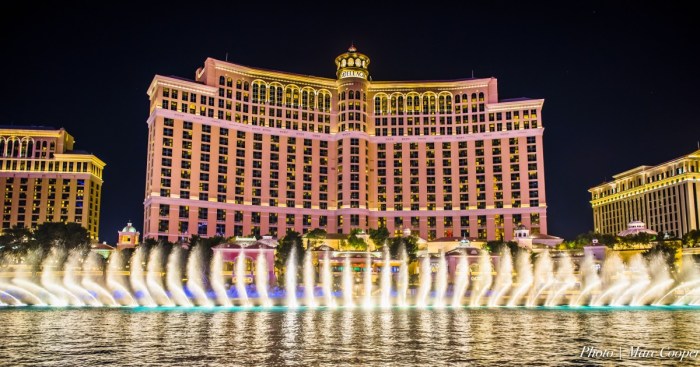
Hotels near cultural landmarks play a crucial role in shaping the visitor experience and impacting local communities. Balancing tourism’s economic benefits with environmental protection and cultural preservation is essential for long-term success. This requires a proactive approach to sustainability and ethical considerations, which goes beyond simple eco-friendly initiatives.Responsible tourism demands a holistic perspective that encompasses environmental impact, social equity, and cultural respect.
This section explores the multifaceted nature of sustainability and ethical considerations in the context of hotels near cultural landmarks.
Importance of Sustainable Practices in Tourism
Sustainable tourism practices are vital for preserving the environment and local cultures. These practices ensure the long-term viability of destinations by minimizing environmental damage and maximizing economic benefits for local communities. Implementing sustainable practices fosters a positive relationship between tourists and the host culture.
Impact of Hotels on the Environment and Local Communities
Hotels, especially those near cultural landmarks, can significantly impact the environment and local communities. Positive impacts include job creation, economic development, and infrastructure improvements. Negative impacts can include increased pollution, resource depletion, and potential strain on local resources. Understanding these potential impacts is critical for developing effective sustainability strategies.
Ethical Considerations Related to Cultural Tourism
Cultural tourism presents unique ethical considerations. Respecting local customs, traditions, and beliefs is paramount. Hotels should actively engage with local communities, ensuring that tourism benefits the community and not exploits it. Authentic cultural experiences that are respectful and mindful of local heritage are essential.
Environmentally Friendly Hotel Practices Near Cultural Landmarks
Implementing environmentally friendly practices is crucial for minimizing the negative impact of hotels. These practices include:
- Water conservation measures, such as low-flow fixtures and water-efficient landscaping.
- Energy efficiency improvements, such as using renewable energy sources and optimizing lighting systems.
- Waste reduction and recycling programs, incorporating strategies for minimizing waste generation.
- Sustainable sourcing of food and supplies, emphasizing locally-sourced ingredients and eco-friendly products.
- Minimizing carbon footprint by promoting public transportation, electric vehicle charging stations, and sustainable transportation options.
- Supporting local businesses and community initiatives to stimulate economic growth and empower local communities.
These practices not only reduce the hotel’s environmental impact but also enhance the guest experience by showcasing a commitment to sustainability and responsible tourism.
Ethical Guidelines for Cultural Tourism
Respectful interaction with local communities is crucial. This involves:
- Learning basic phrases in the local language to demonstrate respect.
- Supporting local businesses and artisans to stimulate economic growth.
- Avoiding activities that could exploit or harm local cultures.
- Promoting cultural understanding through educational programs and interactions.
- Encouraging tourists to participate in activities that benefit local communities.
These practices foster authentic cultural experiences that are beneficial to both the tourists and the local community.
Closing Summary
In conclusion, selecting a hotel near cultural landmarks is more than just booking a room; it’s about curating an experience. This guide has highlighted the multifaceted considerations involved, from the historical significance of landmarks to the importance of sustainable practices. By carefully considering location, amenities, and cultural sensitivity, you can ensure a positive and enriching stay. Remember, a well-chosen hotel can significantly enhance your cultural journey, making your memories unforgettable.