Modify hotel booking details is a common need for travelers. Whether you need to change dates, upgrade your room, or cancel altogether, understanding the process is crucial. This guide explores various methods for modifying your booking, from the hotel’s website to mobile apps, and phone calls. We’ll also cover potential issues, security concerns, and the impact on related bookings, along with future trends shaping the booking modification landscape.
From simple date adjustments to complex cancellation requests, navigating hotel booking modifications can be surprisingly intricate. This comprehensive guide breaks down the process into clear, actionable steps, ensuring you’re equipped to make changes with confidence and efficiency.
Understanding the User’s Need
Hotel booking modifications are a common occurrence, driven by a variety of user needs. Understanding these needs is crucial for providing a smooth and positive experience. Effective modification processes require anticipating potential issues and providing intuitive solutions.Users modify hotel bookings for a multitude of reasons, often related to unforeseen circumstances or changing priorities. These reasons range from personal emergencies to unexpected opportunities.
Need to adjust your hotel booking? It’s easy to modify details online, especially if you’re planning a trip to experience authentic Catalan cuisine, like on a fantastic Catalan regional dishes food tour. Just log in and make the necessary changes to your reservation. Getting your booking right is key for a smooth trip!
Efficiently handling modifications builds trust and loyalty with customers.
Common Reasons for Booking Modifications
Booking modifications are frequently driven by unforeseen events or changes in plans. Common reasons include schedule adjustments, family emergencies, and last-minute decisions. The need for a change in room type or other accommodations can arise from a variety of circumstances.
Types of Booking Modifications
Users request various modifications, from simple date changes to more complex requests like room upgrades or cancellations. The ability to efficiently process these modifications is key to customer satisfaction.
- Date Changes: Users may need to adjust their travel dates due to unforeseen circumstances or better deals. This might involve moving the arrival or departure date or extending the stay.
- Room Upgrades: Users may seek a better room category due to price changes, or they might want to accommodate additional guests. This is often influenced by the available options and the perceived value.
- Cancellation Requests: Users may need to cancel their booking for various reasons, including illness, unexpected travel disruptions, or simply changing their mind.
- Guest List Modifications: Additions or deletions to the guest list may be required. This might be due to unexpected changes in the number of people traveling.
- Payment Adjustments: Users might need to adjust the payment method or make additional payments. This can arise from various circumstances, such as a change in credit card information.
User Scenarios
Different user scenarios demonstrate various modification needs. These scenarios help identify the potential range of requests and plan for efficient handling.
| Scenario | Modification Need |
|---|---|
| Business Trip | A client cancels a meeting, forcing the traveler to adjust the trip dates. |
| Family Emergency | A family member falls ill, requiring a last-minute change in the travel schedule. |
| Last-Minute Decision | A user finds a better deal or opportunity, prompting a change in the hotel or travel dates. |
| Unexpected Event | A natural disaster forces the user to cancel the trip or change the destination. |
| Room Upgrade | A user wants a larger room or a room with a better view. |
Modification Initiation Methods
Users can initiate modifications in various ways, each with its own advantages and disadvantages. These methods include direct communication with the hotel and online platforms.
- Hotel Website: Many hotels offer online portals for modifying bookings. This provides convenience for users and often allows them to manage their bookings independently.
- Mobile Application: Mobile apps provide users with convenient access to their bookings and modifications. They often offer real-time updates and a user-friendly interface.
- Customer Service: Users may prefer contacting customer service for more complex modifications or issues. This method provides direct assistance for resolving any issues.
Potential User Frustrations
There are potential frustrations users may experience when modifying a booking. Understanding these potential pain points can help in creating a smoother process.
- Difficult Navigation: Complex websites or applications can make it challenging to locate the modification options.
- Hidden Fees: Unexpected fees or charges for modifications can be a source of frustration.
- Long Wait Times: Long wait times for customer service or online responses can be very frustrating.
- Inaccurate Information: Inaccurate information displayed about the modification process or changes can cause problems.
- Lack of Transparency: A lack of transparency about the modification process or fees can create unnecessary stress for the user.
Methods for Modifying Bookings: Modify Hotel Booking Details
Modifying hotel bookings is a common need for travelers. Understanding the available methods and their associated benefits and drawbacks empowers users to make informed decisions. Efficient modification is crucial for securing desired accommodations and avoiding potential issues.Booking modifications can range from simple date changes to more complex adjustments like room type alterations. The process varies depending on the booking platform and the chosen modification channel.
Different methods offer varying degrees of ease, cost, and speed.
Available Channels for Modification
Various channels facilitate hotel booking modifications. These include the hotel’s website, mobile application, and phone support. Each channel presents a unique user experience and set of advantages.
Website Modification
Modifying bookings through a hotel’s website is often a straightforward process. Users can typically access their booking history and make necessary changes directly. The website often provides detailed information about the booking, including available dates, room types, and pricing.
Mobile App Modification
Mobile applications for hotel booking platforms offer a convenient way to manage bookings on the go. Users can typically modify bookings quickly and efficiently through the app’s intuitive interface. Many applications offer real-time updates and notifications regarding booking changes.
Phone Call Modification
Phone calls provide another avenue for modifying hotel bookings. This method often involves interacting with a customer service representative who can guide users through the modification process. This method can be helpful for complex modifications or when the user requires clarification.
Comparison of Modification Methods
The table below summarizes the key aspects of each modification method:
| Method | Ease of Use | Cost | Speed |
|---|---|---|---|
| Website | Medium | Low | Medium |
| Mobile App | High | Low | High |
| Phone Call | Low | Low | Medium |
This table demonstrates that the mobile app offers the most efficient modification experience, while phone calls can be suitable for intricate adjustments or for users requiring personal assistance. Websites provide a convenient option for routine modifications, offering a balance of ease and speed.
Potential Issues and Solutions
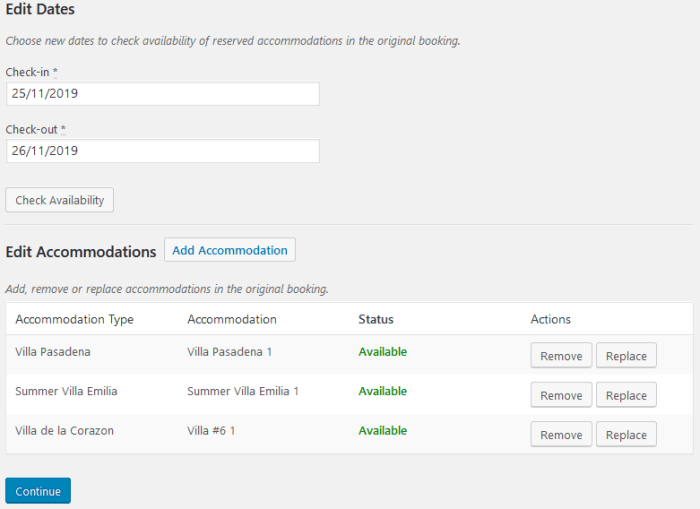
Modifying hotel bookings can sometimes be fraught with unexpected challenges. Understanding these potential pitfalls and their solutions is crucial for a smooth and positive user experience. Effective problem resolution requires proactive identification of potential issues and a clear, concise support system.Booking modifications can be complex, involving various factors from payment processing to confirmation changes. A user-friendly interface and accessible support channels are key to minimizing friction and ensuring a positive experience.
This section delves into common issues and effective solutions.
Common User Problems
Users often face difficulties when attempting to modify bookings. This includes incorrect date changes, issues with cancellation fees, and confusion about refund policies. Careful consideration of these common problems is crucial for a seamless modification process.
- Incorrect Date Changes: Users may inadvertently select the wrong dates or times when modifying their bookings. This can lead to significant inconvenience, especially if the desired dates are unavailable. Clear date selection tools and visual confirmation are essential to prevent such errors.
- Cancellation Fees: Understanding cancellation policies is critical. Users need clear, easily accessible information about cancellation fees and their applicability to different modification scenarios. Providing a transparent breakdown of fees, especially in different modification contexts, is important for user confidence.
- Refund Policies: Users need to know exactly how and when refunds will be processed. This includes understanding the specific conditions under which a refund may be issued for a modification. Clear communication about the refund policy in relation to modification requests is crucial.
Technical Glitches During Modification
Technical problems can disrupt the booking modification process. These include issues with payment gateways, server errors, or problems with the booking system’s database. Robust systems and reliable infrastructure are necessary to mitigate these issues.
- Payment Gateway Errors: Issues with payment processing, such as transaction failures or authorization issues, can cause frustration and delay the modification process. Implementing secure and reliable payment gateways with robust error handling is essential.
- Server Errors: Temporary server outages or system errors can prevent users from modifying their bookings. Regular maintenance, proactive system monitoring, and robust error handling can mitigate these issues. Redundant server infrastructure and proactive maintenance strategies are critical to preventing these problems.
- Database Issues: Data inconsistencies or errors within the booking system’s database can lead to incorrect modifications or unavailability of certain booking options. Data validation, regular backups, and robust data management protocols can mitigate such issues.
Human Errors in Modification
User errors can also lead to incorrect modifications. This includes incorrect input of data, overlooking critical details, or misunderstanding the modification process. User-friendly interfaces and clear instructions can minimize these errors.
- Incorrect Input of Data: Users may enter incorrect information, such as dates, names, or contact details, leading to inaccurate modifications. Clear input fields, validation mechanisms, and feedback mechanisms are crucial to prevent this.
- Overlooking Critical Details: Users may miss crucial information, such as special requests, travel insurance details, or other important booking details. Interactive checklists, pre-filled fields, and clear prompts can assist users in avoiding this.
- Misunderstanding the Modification Process: Users might not fully understand the modification process or the implications of specific modifications. Comprehensive and easily accessible documentation, tutorials, and clear guidance can help to mitigate these issues.
Solutions for Common Problems
Addressing issues with payment, confirmation, and communication effectively is crucial for maintaining customer satisfaction. Clear communication channels and prompt resolutions are essential.
Quick modifications to your hotel booking are often needed, especially if your travel plans change. If you need a hospital-adjacent hotel, checking out options like hotels near hospitals is a smart move. Luckily, most booking platforms allow for easy adjustments, so you can get the best possible outcome, even with last-minute changes.
- Payment Issues: If payment issues arise, clear instructions on how to troubleshoot the problem, including contacting the payment gateway directly, are essential. Providing alternative payment methods can also be a viable solution.
- Confirmation Issues: Providing users with clear confirmation messages and automated updates regarding their modifications is essential. A comprehensive confirmation email or SMS message with modification details can aid in this process.
- Communication Issues: Establishing multiple communication channels, including email, phone, and live chat, allows users to contact support promptly. Providing clear instructions on how to contact support, including preferred contact methods and response times, is crucial for user experience.
Effective Customer Support
Providing effective customer support is critical to addressing issues and resolving conflicts. Accessible support channels, prompt responses, and knowledgeable staff are key elements.
- Accessibility of Support Channels: Multiple channels for contacting support, including phone, email, and live chat, are crucial for ensuring users can get help when needed.
- Prompt Responses: Responding promptly to support requests ensures that users receive assistance in a timely manner.
- Knowledgeable Staff: Staff members who are knowledgeable about the booking system and modification process are essential for resolving issues effectively.
Security and Privacy Concerns
Protecting user data is paramount in any online booking system, especially when modifications are involved. Robust security measures are critical to build trust and maintain customer confidence. A strong security posture prevents data breaches and ensures that sensitive information remains confidential.User trust hinges on the system’s ability to handle modifications safely and reliably. Implementing effective security protocols and adhering to strict privacy standards is essential to safeguard personal data and maintain a positive user experience.
The following sections detail the security measures in place to protect user data during modifications.
Security Measures to Protect User Data
Implementing robust security measures is crucial for protecting user data during booking modifications. These measures include encryption of data in transit and at rest, access controls to limit data visibility, and regular security audits to identify and address vulnerabilities.
- Data Encryption: All user data, including personal information and booking details, is encrypted both during transmission and storage. This encryption prevents unauthorized access and ensures data integrity.
- Access Controls: Strict access controls limit access to user data to only authorized personnel. These controls prevent unauthorized personnel from viewing or modifying sensitive information.
- Regular Security Audits: Regular security audits are conducted to identify and address potential vulnerabilities in the system. These audits help maintain the integrity and confidentiality of the system, and to improve security in the long term.
Data Privacy During Modification Process
Data privacy is essential during the booking modification process. Maintaining user trust requires transparency in how data is handled. This includes clearly outlining data usage policies and providing users with control over their information.
- Data Usage Policies: Clear data usage policies are available to users, outlining how their data will be used and stored. These policies detail the circumstances under which data might be shared, for example, for compliance with legal requirements.
- User Control over Information: Users have control over their personal information, including the ability to access, modify, and delete their data. This allows for user control and compliance with data privacy regulations.
Ensuring Safety of Personal Information
A multi-layered approach to security is needed to safeguard personal information. This includes technical measures, employee training, and adherence to industry best practices.
- Multi-Factor Authentication (MFA): Implementing MFA adds an extra layer of security by requiring multiple forms of verification before granting access to sensitive information. This significantly reduces the risk of unauthorized access.
- Employee Training: Regular training sessions for employees handling user data are essential to raise awareness about security best practices. This training covers issues like password management, phishing awareness, and social engineering tactics.
- Adherence to Industry Best Practices: Following industry best practices, including those set by data protection authorities, is vital to maintaining a strong security posture. Compliance demonstrates a commitment to user data security.
Protecting User Data During Modification
Comprehensive measures are in place to protect user data during the modification process. These measures encompass various aspects, from encryption and access controls to regular security assessments and adherence to privacy policies.
- Data Backup and Recovery: Regular backups of user data are essential to safeguard against data loss. Robust disaster recovery plans ensure business continuity and the ability to quickly restore data in the event of a security incident.
- Incident Response Plan: A comprehensive incident response plan is crucial for handling security breaches. This plan Artikels the steps to be taken in case of a security incident, including notification procedures, data recovery, and communication with affected parties.
- Compliance with Data Protection Regulations: Adhering to data protection regulations like GDPR or CCPA is crucial. This ensures compliance with legal requirements and protects user rights.
Examples of Security Breaches and Prevention
Security breaches can originate from various sources, from malicious actors to system vulnerabilities. Understanding these risks helps in implementing preventive measures.
- Phishing Attacks: Phishing attacks are a common method used by malicious actors to gain access to user credentials. Educating users about phishing attempts and implementing strong authentication methods can mitigate this risk.
- Malware Infections: Malware infections can compromise systems and expose sensitive data. Regular software updates, antivirus software, and strong firewalls are essential to prevent malware infections.
- SQL Injection Attacks: SQL injection attacks exploit vulnerabilities in database queries to gain unauthorized access to data. Input validation and parameterized queries can mitigate this threat.
Impact of Modifications on Other Bookings
Booking modifications, while seemingly simple, can ripple through interconnected reservations. Understanding the potential cascading effects is crucial for both the hotel and the guest. A change to one booking might unexpectedly affect others in a group, requiring careful consideration and proactive communication. This section details how to manage these complexities, minimizing disruption and maximizing guest satisfaction.
Potential Ripple Effects of Modifications
Changes to a single booking can have a significant impact on related reservations, especially if those bookings share resources or depend on each other. For example, if a group booking is modified, the hotel needs to evaluate the implications for the other bookings in the group. This could involve adjusting room types, ensuring sufficient space for all guests, or ensuring the revised booking schedule doesn’t conflict with other reservations.
Handling Booking Changes Affecting Multiple Reservations, Modify hotel booking details
Managing modifications impacting multiple reservations requires a structured approach. Hotels need a clear process for identifying and addressing the potential consequences. This process should involve reviewing the booking details of all related reservations, assessing potential conflicts, and contacting the affected guests promptly. Communication is paramount, ensuring guests are aware of the situation and any necessary adjustments.
Scenario Examples
A family booking a suite for a week-long stay might also have booked connecting rooms for their children. Modifying the suite booking to a standard room could necessitate re-arranging the connecting rooms, potentially impacting the family’s overall experience. If a group booking for a conference includes multiple rooms and shared amenities, modifying the room count or changing the dates could affect the availability for the entire conference.
Contacting the Hotel Regarding Multiple Bookings
Clear communication is essential when addressing issues related to multiple bookings. Guests should be prepared to provide specific details about their booking and any related reservations. Providing booking confirmations, reservation numbers, and the nature of the modification request will facilitate a more efficient and effective resolution. A concise and well-organized communication, outlining the situation and desired resolution, is key to receiving timely and appropriate assistance.
Future Trends and Developments
The landscape of hotel booking modifications is constantly evolving, driven by technological advancements and changing user expectations. This dynamic environment demands a proactive approach to anticipate future needs and ensure seamless modification processes. Understanding emerging trends allows for the development of innovative solutions, leading to a more efficient and user-friendly experience.The future of hotel booking modifications will be significantly shaped by technological advancements.
Automation and AI will play a pivotal role in simplifying the modification process, while user-friendly mobile apps will become even more integral to the experience. Innovative solutions will emerge, promising to streamline modifications and enhance user satisfaction.
AI-Powered Booking Assistance
AI-powered tools will become increasingly sophisticated in assisting users with modifications. Imagine a system that proactively suggests alternative dates and hotels based on the user’s preferences, considering factors like price, availability, and reviews. This proactive approach will minimize manual effort and provide tailored recommendations. Chatbots will handle routine modifications, freeing up human agents to address more complex inquiries. The integration of AI will not only speed up the process but also personalize the experience, creating a more engaging and intuitive interaction.
Enhanced Mobile Booking Options
Mobile applications will play a critical role in future booking modifications. Users will expect seamless modification capabilities directly within the app. Real-time updates on availability, pricing, and potential alternatives will be critical. Furthermore, mobile apps will integrate more seamlessly with other travel planning tools, providing a holistic travel management experience. Imagine a single platform that allows users to modify their flights, hotels, and rental cars, all within the same application.
Innovative Solutions for Modifying Bookings
Several innovative solutions are emerging to enhance the booking modification process. These solutions are likely to be personalized and predictive, anticipating potential issues and offering tailored solutions. One example is the development of intelligent algorithms that automatically adjust booking details based on real-time changes in pricing and availability. Another promising approach is the integration of augmented reality (AR) experiences, which allow users to virtually experience their hotel rooms and amenities before making modifications.
Future Trends in Modifying Bookings
| Trend | Description | Impact |
|---|---|---|
| AI-powered booking assistance | AI tools will help users modify bookings with minimal effort, proactively suggesting alternatives based on user preferences. | Increased efficiency, improved user experience, reduced support queries. |
| Enhanced mobile booking options | Mobile apps will become more advanced for modification tasks, offering real-time updates, seamless integration with other travel planning tools, and personalized recommendations. | Greater accessibility, convenience, and a more holistic travel management experience. |
| Predictive modification tools | Algorithms will anticipate potential issues (e.g., price changes, availability constraints) and suggest solutions in advance. | Improved user experience, reduced stress, minimized disruptions. |
Final Wrap-Up
In conclusion, modifying hotel bookings is a multifaceted task, influenced by user needs, available channels, potential problems, and security considerations. By understanding the process, from website and app modifications to phone interactions, travelers can effectively manage their bookings. This guide also highlights potential issues and solutions, emphasizing the importance of security measures and the impact of changes on related bookings.
As technology evolves, the future of hotel booking modifications is poised for innovation and efficiency, with automation and AI playing a significant role.